Show Notes:
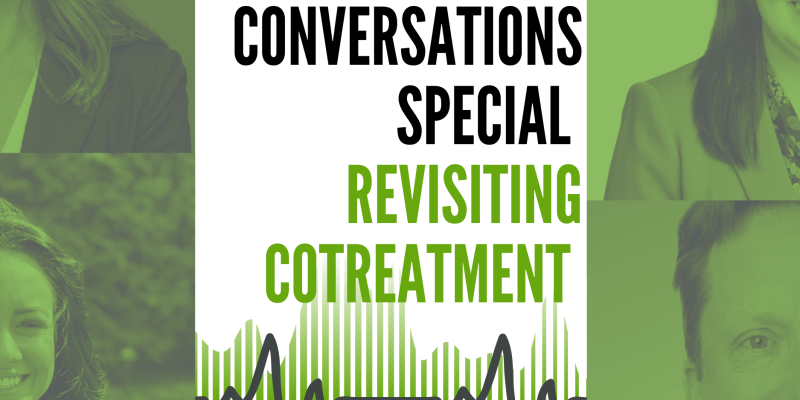
What manual therapy skills could you bring back into your next acute care session? In this episode of Acute Conversations, hosts Dr. Leo Arguelles and Dr. Nicole Neveau welcome Dr. Rebekah Griffith, the ED DPT; Chris White, director of ancillary services at University of Colorado Hospital; and Eric Folmar, an associate clinical professor at Northeastern University.
Together, they explore how foundational manual therapy skills fit into hospital-based physical therapy. Rebekah shares examples from acute care and the emergency department, connecting pain and movement restrictions with the functional tasks patients need to perform. Eric brings an educator’s perspective on applying familiar skills across settings, while Chris discusses teamwork, service delivery and communicating the value of skilled intervention to hospital leaders.
The conversation returns to clinical reasoning: identifying what is limiting a patient, considering why, choosing an appropriate response and involving colleagues when needed. The guests also discuss refreshing skills, sharing knowledge across a team and helping others understand the range of care physical therapists provide.
For acute care PTs, PTAs and students, this episode offers a reason to revisit the skills already in your clinical toolbox—and consider where they belong in your practice. Listen now on Apple or Spotify.
Today’s Guests:
Dr. Rebekah Griffith, the ED DPT
rgriffithdpt@gmail.com
https://www.linkedin.com/in/rebekah-griffith-rgthedpt/
Chris White PT, OCS, MBA
Director of Ancillary Services University of Colorado / APTA Colorado Vice President
Eric Folmar PT, DPT, OCS
Guest Quotes:
4:45 Rebekah “And one thing that I wanted to appeal to people with this conversation was if you’re a manual therapy specialist, you don’t only have to work in an outpatient clinic, right? There’s so many places for you to use that skill set, that critical thinking, that cyclical decision-making. All of that needs to be in every area that we practice in. And I wanted to remind acute care therapists that you don’t leave your skill set at the door when you clock in, and you don’t put your scrubs on and forget all of those other skills.”
13:14 Rebekah “ …Their thoracic spine mobility is so limited they literally cannot sit up straight. They can’t balance. Their center of gravity is not manageable with the range of motion that they have. Doing some thoracic mobility decreases their pain, improves their lung function, gets their posture upright, improves their balance, and allows them to stand up and start moving.”
17:22 Chris “ So we wanna make sure that we’re doing those high level interventions from a top of scope practice standpoint that gets a patient to the right location. … And then those that need to be admitted, again, if you’re doing this stuff in the ED, and then they go up to the floor and the ED did this great manual technique that helped me,” and you’re not doing it on acute care, those things can extend length of stays as well.”
Hot Take: Rebekah “ My hot take is that physical therapists, especially in acute care, need to stop asking for permission- … and use their skillset.”
Rapid Responses:
Rebecca, do you have a walkout song?
“ Unstoppable by Sia.”
You know you’re working in acute care when…
Chris “ when you hear code browns being hollered over the loudspeaker.”
Eric “ the sounds don’t bother you.”
🎧 Connect with Our Hosts
Leo Arguelles (pronounced LEE-O R-GWELL-IS)
📧 largue2@uic.edu
🐦 Twitter: @LeoArguellesPT
Nicole Neveau, PT, DPT, NCS
📧 ngunder1@gmail.com
🔗 LinkedIn: Nicole Neveau
Danny Young, PT, DPT, PhD
📧 daniel.young@unlv.edu
🐦 X: @DLYoungDPTPhD
🌐 Bluesky: @dlyoungdptphd.bsky.social
🎧 Listen now on Spotify | Apple Podcasts
(Or wherever you get your podcasts)
#AcuteCare #PhysicalTherapy #HealthcareLeadership
Interested in being a future guest?
APTA Acute Care “Optimizing Recovery, Elevating Care”
https://www.aptaacutecare.org/page/AspireandAchieveMentorshipProgram
Twitter @AcuteCareAPTA
Facebook APTA Acute Care
Instagram @AcademyAcutePT
YouTube APTA Acute Care Podcast
Podcast: Play in new window | Download




 Show Notes